Company News
Jan 4, 2026
Interview with Shantel Waruinge, Close-Up Residency 2025 & Wideshot Alum on the release of her short film "MICHAELA"
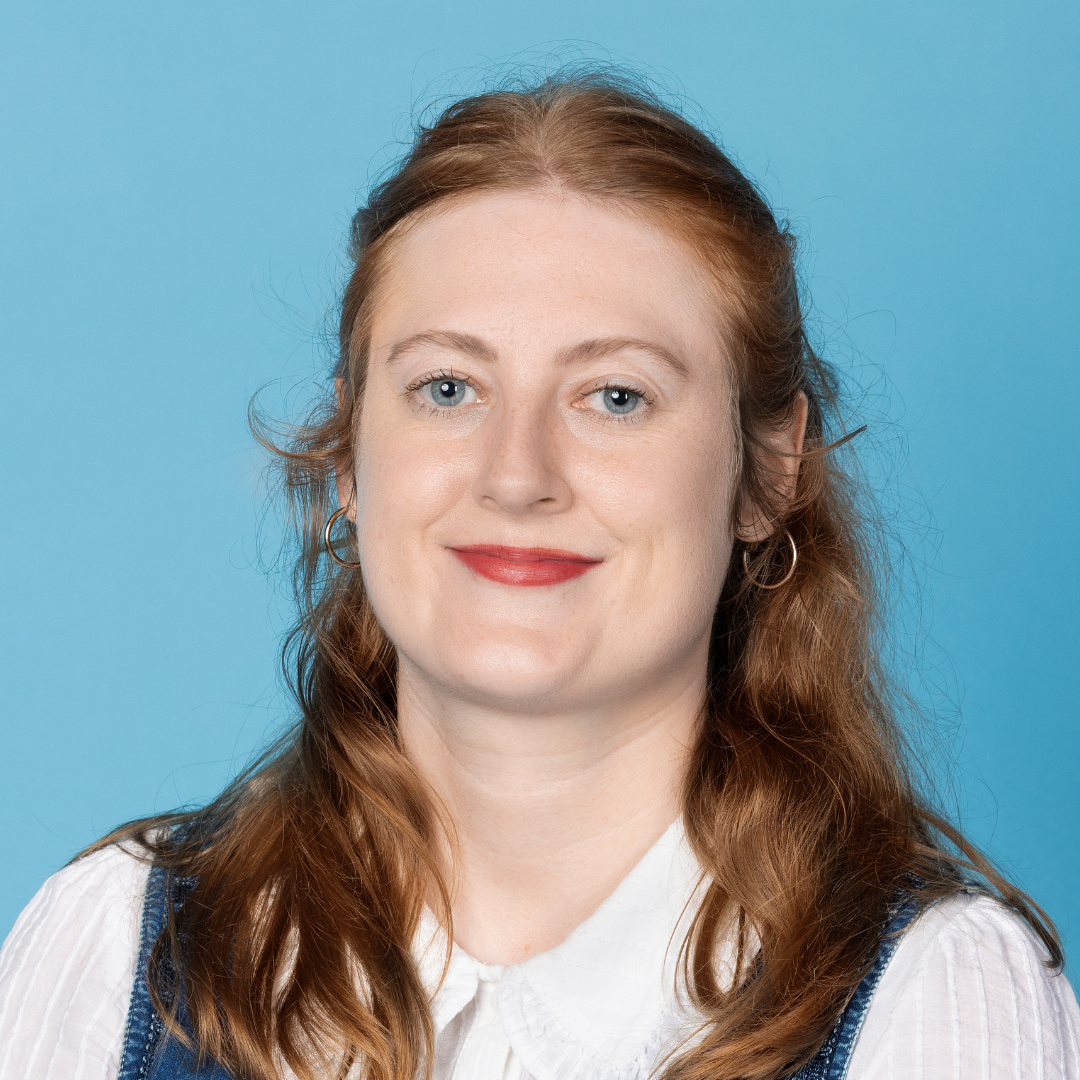

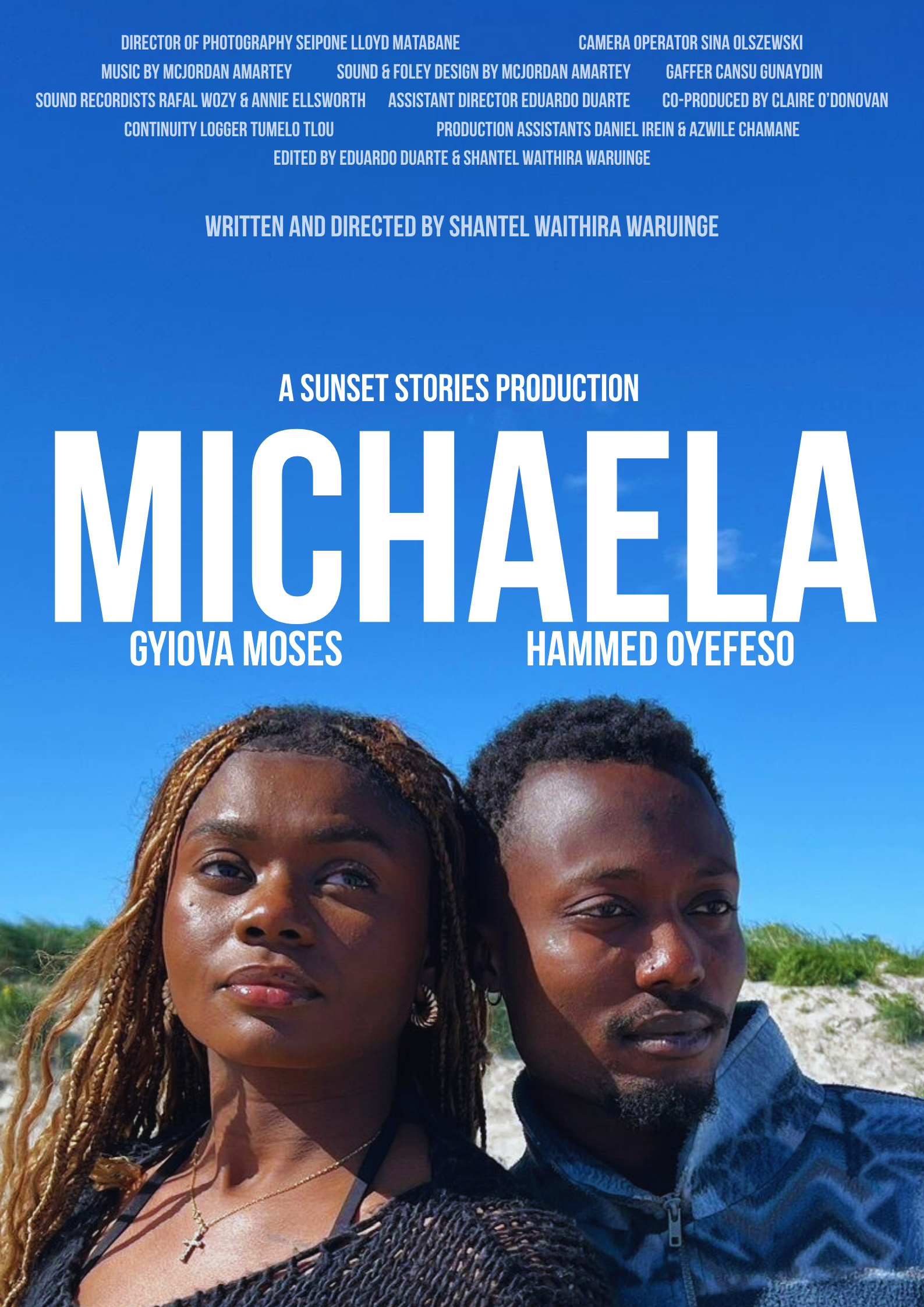
Filmmaker and GORM alum Shantel Waruinge premiered her debut short film MICHAELA shortly after completing the Close-Up Summer Residency and Wideshot Programme. In this conversation with GORM Digital Marketing and Communications Executive Eilís Walsh, she talks through how the film came to life, the lessons she carried from the residency, and why taking a chance on herself — and on GORM — became one of the best decisions she’s made.
We’re mainly speaking today about your short film MICHAELA, which you directed, and you wrote the script as well?
Shantel:
I wrote the script and I kind of have to explain the origins because people ask how it came about. I was in a film production course, and myself and my classmates were at a point where all the opportunities we thought we would have to create something… the doors were being closed. We were constantly being told no.
So we decided to make that opportunity for ourselves. The script for MICHAELA is part of a longer script, what the short film shows would have been the cold open or the first few minutes. I said, ‘Guys, I have a script. Do you want to make it?’ And they were all down. We shot it in May but only released it last week.
The story explores solitude, memory and connection. Was there something important you wanted to say through the film?
Shantel:
A lot of what I write is a reflection of what I’m going through at that time. When I screened it, people told me different things they saw in it, and only in hindsight I realised, ‘Oh okay, yeah, that makes sense for the time that I wrote it.’ There’s a conversation happening between two people where you’re not really sure of their relationship. One is not talking at all; one is yapping the entire time. I was trying to explore how there’s a lot more that can be said without words. Michaela has only two lines of dialogue, her communication is through her body language and expressions. She’s in the middle of the water trying to escape her reality, but it still haunts her somehow. And that haunting is in the form of Alex, who is her brother.
I love stories where however way you answer it speaks more about you as an audience than about me as a writer. How people receive it is the most interesting part.
Did you edit the film during or after the residency?
Shantel:
By the time I got to the residency, I was editing and was so consumed by it I just wanted to stay away from it. I was working with my good friend Mc Jordan, he’s so talented, he scored the film. And sharing it with my housemates Marcello and George gave me a boost of excitement again. They were so eager to help. George gave me technical tips that made me see it from a different perspective.
Did the Close-Up Summer Residency storytelling, directing, shooting and editing sessions shape how you approached your work?
Shantel:
Oh, 1,000%. We had so many mentors throughout the week. Jite and Yoshua’s editing class, I’m not the best at editing or colour grading but their tips elevated the film. Berthe’s (Tonseth, RTÉ) class on cameras and sound made me take stock of things I should have done and things I’ll do next time.
Anne Roper was the biggest influence. She kept pounding into us the idea of jeopardy, you need jeopardy for the story to be engaging. I don’t think that lesson will ever leave me. And Ray Roantree, he talked about editing documentaries and I saw so many parallels. There were so many invaluable things I learned that I put into this short film and that I’ll take into future projects.
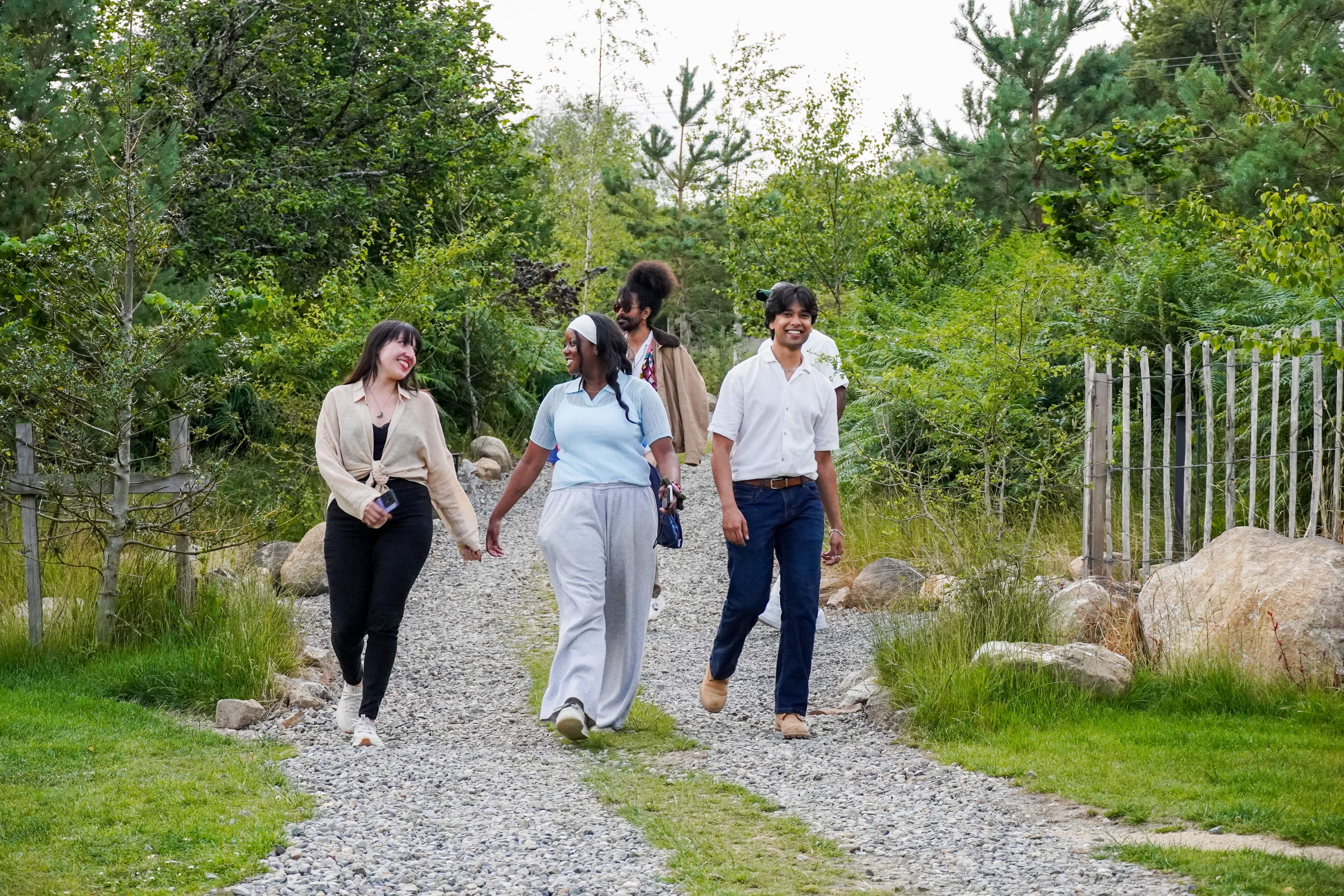
Pitching can be terrifying, how was that experience for you? Did the judges’ questions shift how you’ll approach future work?
Shantel:
That week was so intense. We’d stay up until 2 or 3am working on our treatments and pitches. By the time I got to the judges’ questions, I had a confidence I didn’t have before because I was trained by the amazing Anne. She’s so real and you need that realness in this industry. We’d already pitched to each other and asked each other questions, so nothing the judges asked was shocking, I wasn’t thrown off. Now I have a better idea of how to pitch myself and my treatment if I were looking for funding. It was a huge learning curve.
Why did you come to the GORM Gathering and stay connected to the GORM community?
Shantel:
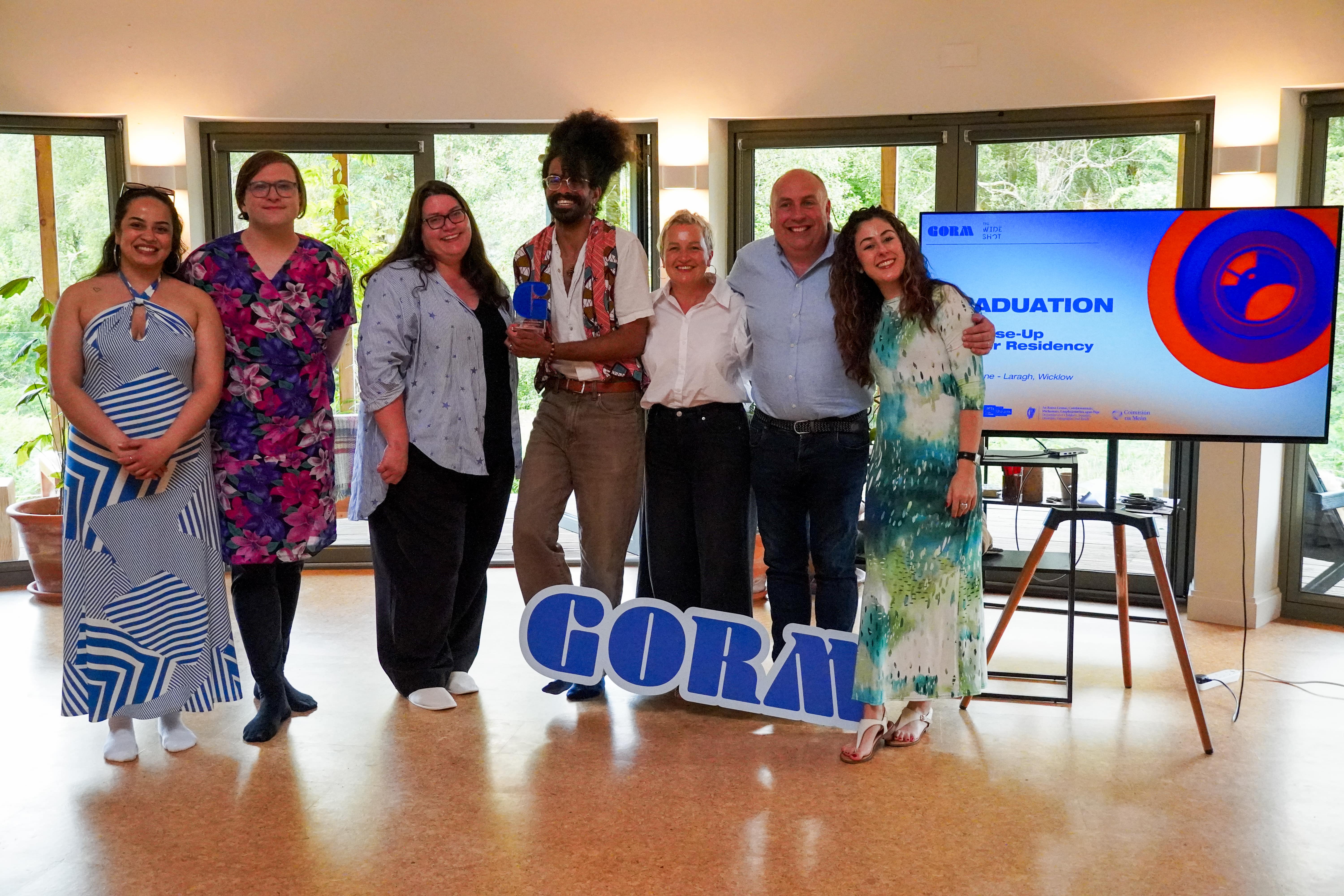
I will always stand with what GORM stands for. There’s a connection between GORM’s beliefs and my beliefs it’s hard to stay away. I love the community GORM has built and that I’m honoured to be part of. We’ve formed bonds that I don’t think could fade anytime soon. Coming to the event felt like coming home, seeing everybody’s faces again. One of the biggest drives for me is seeing people in their element. Seeing Bea (GORM COO), seeing Ayesha (GORM Programme and Community Manager), seeing even yourself (Digital Marketing Executive) doing what you’ve been working hard to accomplish, that is inspiring for me.
As a young woman of colour in Irish film, have you experienced barriers?
Shantel:
I’m relatively new to the industry and at the beginning of my career, so I don’t think I’ve hit big barriers yet. It’s more so who you know rather than what you know, that can be the barrier to getting into certain spaces. Being part of the GORM community meant opportunities were being sent out. I applied for one of them and ended up working on a TV show for the first time on a big production. If I hadn’t applied for the residency, that wouldn’t have happened. It can be disheartening, but keep showing up for yourself. Your future self will thank you. I’m certainly grateful for the person a year ago who took a chance on herself.”
If someone was considering applying for Wideshot or Close-Up in 2026, what would you tell them?
Shantel:
“I almost didn’t apply. I’ve been following GORM since it started, but I hadn’t seen the residency before, I had no idea what it was until the day before the submission ended. There was a part of me that thought, ‘I couldn’t put a whole application together,’ but there was something about knowing Mamobo, knowing about GORM, that made me think: I have to give it a shot. I have to give myself that chance as well. It’s the best decision I’ve made, not even just career-wise, but personally. Now I have a community. I was asked to AD for Marcello’s short film, that would never have happened if I hadn’t applied.
Even if you don’t get the opportunities you think you’ll get from it, there’s plenty more that will happen for you.
Keep showing up for yourself. Keep going. Keep creating. Don’t stop. Now I have a short film under my belt, and the residency is definitely the place to find the community that helps you get there.”
Applications for the Wideshot Programme 2026 open in early 2026, keep an eye on our social media or our newsletter (sign up HERE) to keep informed. To get a look at what the Close-Up Summer Residency 2025 was like, watch HERE.
Eilís Walsh, a Limerick-based photographer and digital marketing executive, specialises in diverse freelance photography and personal socially engaged work exploring themes like mental anguish, relationships, and urban life. Notable projects include 'The Night Doesn't Belong To Us' in 2024, 'Patchwork' and 'Áthra' in 2018, and 'You are not just a statistic' in 2019, a socially engaged photojournalism project on men's mental health in Limerick. As the Digital Marketing and Communications Executive of GORM, Eilís communicates GORM’s message to our external stakeholders, clients and community.
.png)